Candidate Jamal Duncan
Arizona State University
Associate Director of Bands
Biographical Statement
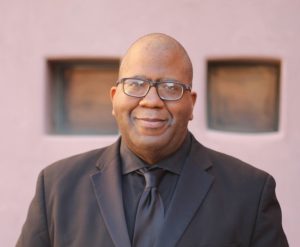
Jamal Duncan is the Associate Director of Bands and Associate Professor of Instrumental Conducting at Arizona State University. Joining the faculty in 2020, his primary responsibilities include conducting the Wind Symphony, teaching undergraduate and graduate conducting courses, and serving as the Assistant Director of Undergraduate Music Studies. Prior to his appointment at ASU, Duncan served as the Assistant Director of Bands at the University of Arkansas in Fayetteville.
Involvement in CBDNA
My involvement with CBDNA began in 2005 with the national conference in New York City. As a middle school band director, I made the trek to the conference just to be present for what was billed as a special national event in the “Big Apple.” A friend of mine who was pursuing a DMA in conducting told me I shouldn’t miss it. Because of the experiences I had during that conference, this organization has been incredibly important to me ever since. Through my involvement in the organization, the professional connections I have made have enriched my personal life with not just colleagues, but lifelong friends. I would soon find myself in a graduate program at Michigan State University and had my first “behind the scenes” view of a national conference in Austin Texas. During my time at MSU, I also attended the 2012 divisional conference in Mt. Pleasant Michigan.
Throughout my professional career, CBDNA has been something that has become part of the framework for my professional development and service.
Presentations
2023
Co-presented with Jason Caslor – “The ASU Winds Bands Composer in Residence Program” National Convention – University of Georgia
Performances
2024
Conductor, ASU Wind Symphony
Western/Northwestern Division Conferences – Las Vegas, Nevada
2022
Co-Conductor, ASU Chamber Winds
Western/Northwestern Division Conferences – University of Puget Sound
2014
Guest Conductor, University of Arkansas Wind Ensemble Southwestern Regional Conference – CU Boulder
Committee Service
CBDNA Social Media Committee
2021-present
Since 2021, I have been a member of the CBDNA Social Media Committee, helping to celebrate and publicize our organization’s events. I have served as the committee’s chair since 2022. I consider my greatest achievement in this role to be bringing on a dedicated committee that truly believes in publicizing the work of our organization—something I hope the membership sees feels the benefit of.
Divisional Service
2026
Organized the Intercollegiate Band auditions and seatings for the Western/Northwestern Division Conferences.
2014
Organized the Southwestern Division Intercollegiate Band
State Level Service
Arkansas
2019
Vice President of Arkansas CBDNA*
*I would have become president of the Arkansas Chapter in Fall of 2020 had I not relocated to Arizona.
2018
Secretary of Arkansas CBDNA Chapter
Vision for the Future of CBDNA
When reviewing our 2021 Vision Statement, the three key takeaways we put forward define CBDNA as:
- A Community of Artists who transform lives through music.
- A Community of Leaders who champion diversity, equity, inclusivity, and belonging in all aspects of our profession.
- A Community of Educators who empower our students.
As we look toward the future, CBDNA must reintroduce itself to the wider music community. By design, our membership represents a select segment of the larger music ecosystem. This exclusivity is not a weakness; rather, our tight ranks allow us to remain agile and highly responsive to the unique demands of our field. However, this also means we must be far more vocal and intentional about publicizing our mission, purpose, and initiatives.
To expand our reach and deepen our impact, I believe we would be well served to address 4 areas:
- Expanding partnerships with the broader educational ecosystem. We must develop a targeted plan to expand the portfolio of music and educational organizations with whom we work. This will not only sustain our current work but will also elevate our visibility among educators outside the collegiate sphere.
- Bridging the gap for K–12 educators by actively engaging public school educators and those working with youth music programs. We do this by providing tailored support, mentorship, and guidance. I also like for our organization to explore a K–12 educator/affiliate membership rate that is priced below our music industry rate.
- Increasing support of college students who are preparing for a future either in the K–12 classroom or graduate students looking to work at the collegiate level. This could be as simple as providing programming within the footprint of the Intercollegiate Bands that we host or increasing mentorship and support of the Graduate Wind Conductors Group and building community at that level. The goal should be for all collegiate members to have no doubt as to joining as active members once they join the professional ranks.
- Championing early-career professors. While the framework for strong mentorship is already in place, we must scale up our efforts. This means expanding graduate student mentorship, actively supporting tenure-stream faculty with opportunities that bolster their promotion portfolios, and helping them navigate the rapidly shifting landscape of higher education. We did a lot of this during the pandemic, but after that, most of our efforts returned to in-person conferences.
History is cyclical, and while this sentiment has undoubtedly been shared by past generations, we are undeniably at a crossroads. We must find a way to unify our collective music-making efforts, ensuring that music and music education remains an opportunity championed for all.